Anu-anong mga Paraan para sa Preserbasyon at Muling Pag-komisyon ng mga Diesel Generator Set sa Panahon ng Pangmatagalang Kawalan ng Aktibidad?
Mga Paraan ng Preserbasyon at Muling Pagkomisyon para sa mga Set ng Generator ng Diesel sa Panahon ng Pangmatagalang Kawalan ng Aktibidad
Abstrak: Ang pangmatagalang kawalan ng aktibidad ay maaaring tumukoy sa mga set ng generator ng diesel na hindi nagagamit nang ilang buwan o mas matagal pa – halimbawa, mga standby power unit na bihirang makaranas ng pagkawala ng kuryente, o mga generator ng lugar ng konstruksyon habang natigil ang trabaho. Dahil hindi ginagamit ang kagamitan nang matagal, madali itong masira sa sistema ng gasolina, masira ang baterya, kalawang sa loob, maipon ang alikabok, at iba pang mga isyu. Samakatuwid, dapat sundin ang mahigpit na mga pamamaraan sa pangangalaga, kabilang ang pag-alis ng gasolina, paggamot sa lubricating oil, pagprotekta sa baterya, pagpigil sa kahalumigmigan at alikabok, at pagsasagawa ng regular na pagpapanatili. Tinitiyak ng mga siyentipikong pamamaraan ng pag-iimbak at mga hakbang sa pagpapanatili na inilarawan sa dokumentong ito na ang diesel generator set ay maaaring magsimula nang normal at gumana nang matatag kung kinakailangan.
I. Paghahanda Bago ang Pag-iimbak
1. Linisin nang Mabuti ang Kagamitan
Alisin ang langis, dumi, at mga kalat sa ibabaw, lalo na sa radiator, air filter, at mga tubo ng tambutso.
Suriin kung may tagas (langis ng makina, gasolina, coolant) at agad na kumpunihin.
2. Preserbasyon ng Sistema ng Panggatong
Salain ang gasolina: Kung ang generator ay hindi gagamitin nang higit sa 3 buwan, salain ang tangke ng gasolina at mga linya ng gasolina upang maiwasan ang oksihenasyon ng diesel at pagbuo ng gilagid na maaaring magbara sa mga injector.
Magdagdag ng stabilizer: Kung kailangan pang manatili ang gasolina sa tangke, magdagdag ng diesel fuel stabilizer (hal., STA-BIL). Patakbuhin ang makina sa loob ng 10 minuto upang paikotin ang ginamot na gasolina, pagkatapos ay isara ang fuel shutoff valve.
3. Proteksyon ng Sistema ng Pagpapadulas
Palitan ang langis at filter ng makina upang maiwasan ang pagiging acidic ng lumang langis at pagkakalawang sa mga panloob na bahagi ng makina.
Magturok ng kaunting preservative oil sa mga silindro (hal., sa pamamagitan ng mga butas ng spark plug o injector) at manu-manong iikot ang crankshaft nang 2-3 beses upang mabalutan ng oil film ang mga dingding ng silindro.
4. Paggamot sa Sistema ng Pagpapalamig
Alisan ng tubig ang coolant kung maaaring magyelo ang kapaligiran, o palitan ng pangmatagalang antifreeze.
Linisin ang radiator upang maiwasan ang mga deposito ng kaliskis.
5. Pagpapanatili ng Sistemang Elektrisidad
Tanggalin ang negatibong terminal ng baterya at mag-recharge nang pana-panahon (kada 2-3 buwan) o gumamit ng smart tagapangalaga ng baterya.
Siyasatin ang mga terminal at lagyan ng petroleum jelly upang maiwasan ang oksihenasyon.
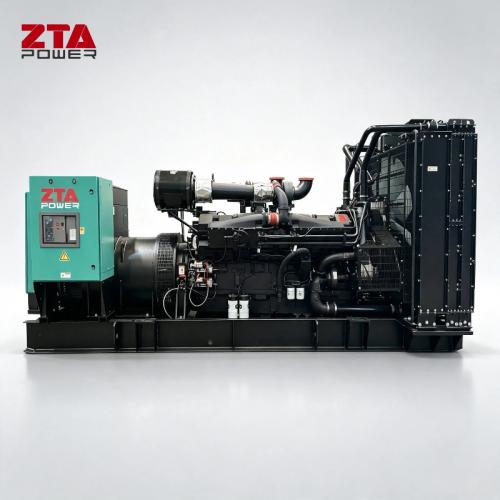
Set ng generator ng diesel ng Cummins senaryo ng aplikasyon sa pag-install (standby power)
II. Mga Panukalang Pangproteksyon para sa Pangmatagalang Pag-iimbak
1. Pag-iwas sa Halumigmig at Kalawang
Ilipat ang generator set sa isang tuyo at maayos na lugar na maaliwalas upang maiwasan ang kalawang ng mga bahaging metal dahil sa halumigmig.
Maglagay ng langis na panlaban sa kalawang o anti-rust spray sa mga nakalantad na metal na ibabaw (hal., mga pulley, bolt).
2. Pagbubuklod at Proteksyon sa Alikabok
Takpan ang generator set ng takip para sa alikabok, ngunit mag-iwan ng mga butas para sa bentilasyon upang maiwasan ang kondensasyon.
Selyuhan ang mga butas tulad ng tubo ng tambutso at pasukan ng hangin upang maiwasan ang pagpasok ng mga banyagang bagay (mga insekto, daga, alikabok).
3. Regular na Pagpapanatili Habang Nag-iimbak
Buwanang pagsusuri: Karga ng baterya, katayuan ng proteksyon laban sa kalawang, mga senyales ng pinsala ng daga o insekto sa mga kable.
Kada 3 buwan: Manu-manong i-block ang makina nang mahigit 3-5 ikot upang maiwasan ang kalawang sa butas ng silindro.
III. Mga Hakbang sa Muling Pagkomisyon
1. Masusing Inspeksyon
Tanggalin ang mga takip ng alikabok at mga materyales na pantakip. Suriin kung may mga pugad ng hayop o kalawang.
Palitan ang air filter, oil filter, at fuel filter. (Mga Keyword: pamamaraan ng muling pagkomisyon, inspeksyon bago magsimula, pagpapalit ng filter)
2. Pagpapanumbalik ng Sistema ng Fluid
Punuin ng bagong diesel (inirerekomenda ang low-sulfur diesel) at alisin ang hangin mula sa mga linya ng gasolina.
Palitan ang langis ng makina at coolant. Lagyan ng lubricant ang lahat ng gumagalaw na bahagi (hal., mga bearing ng bentilador).
3. Pag-activate ng Sistemang Elektrisidad
Magkabit ng bateryang ganap na naka-charge. Tiyaking gumagana nang normal ang starter motor at controller.
Subukan ang mga ilaw na tagapagpahiwatig ng dashboard, boltahe, at display ng frequency.
4. Manu-manong Pagsubok
Manu-manong pagharang: Tiyaking malayang umiikot ang crankshaft nang walang pagbibigkis.
Simula ng pagsubok: Tanggalin ang karga at patakbuhin ang generator walang karga sa loob ng 10–15 minuto. Obserbahan ang presyon ng langis (dapat ay ≥0.25 MPa), makinig sa mga abnormal na ingay, itim na usok, o mga tagas ng langis.
Unti-unting pagkarga: Pagkatapos ng unang pagtakbo, dagdagan ang karga nang paunti-unti (25% → 50% → 75% → 100%), habang hinahawakan ang bawat hakbang sa loob ng 10 minuto.
5. Mga Pag-iingat para sa Muling Pagkomisyon
Mga kinakailangan sa kapaligiran: Iwasan ang mataas na temperatura, mataas na halumigmig, at maalikabok na kapaligiran. Sa malamig na mga rehiyon, painitin ang tangke ng gasolina upang maiwasan ang pag-gel (waxing) ng diesel.
Ligtas na operasyon: Ilayo sa tambutso sa unang pag-andar upang maiwasan ang pagkalason sa mga gas na maubos. Siguraduhing maayos ang bentilasyon habang sinusubukan.
Mga talaan ng pagpapanatili: Gumawa ng talaan ng pagpapanatili na nagtatala ng tagal ng imbakan, mga pinalitan na piyesa, at mga resulta ng pagsubok.
Buod
Maaaring hindi isinasaalang-alang ng ilang gumagamit ang epekto ng mga salik sa kapaligiran sa isang diesel generator set. Bigyang-pansin din ang mga pagkakaiba ng klima sa iba't ibang rehiyon – halimbawa, ang mga mahalumigmig na kapaligiran ay nangangailangan ng karagdagang mga hakbang sa pag-iwas sa kahalumigmigan, habang ang mga malamig na lugar ay maaaring mangailangan ng proteksyon laban sa pagyelo. Ang pagsunod sa mga pamantayang pamamaraan sa pangangalaga at muling pagkomisyon ay maaaring makabuluhang pahabain ang buhay ng isang diesel generator set (karaniwan ay 10 taon o higit pa) at matiyak ang pagiging maaasahan sa panahon ng mga emerhensiya. Inirerekomenda na patakbuhin ang generator na walang karga nang 30 minuto kahit man lang kada anim na buwan upang magamit ang lahat ng sistema at matukoy ang mga potensyal na isyu.

 Suportado ang network ng IPv6
 English
 français
 русский
 español
 português
 العربية
 Türkçe
 ไทย
ไทย Tiếng Việt
 Indonesia
  Filipino